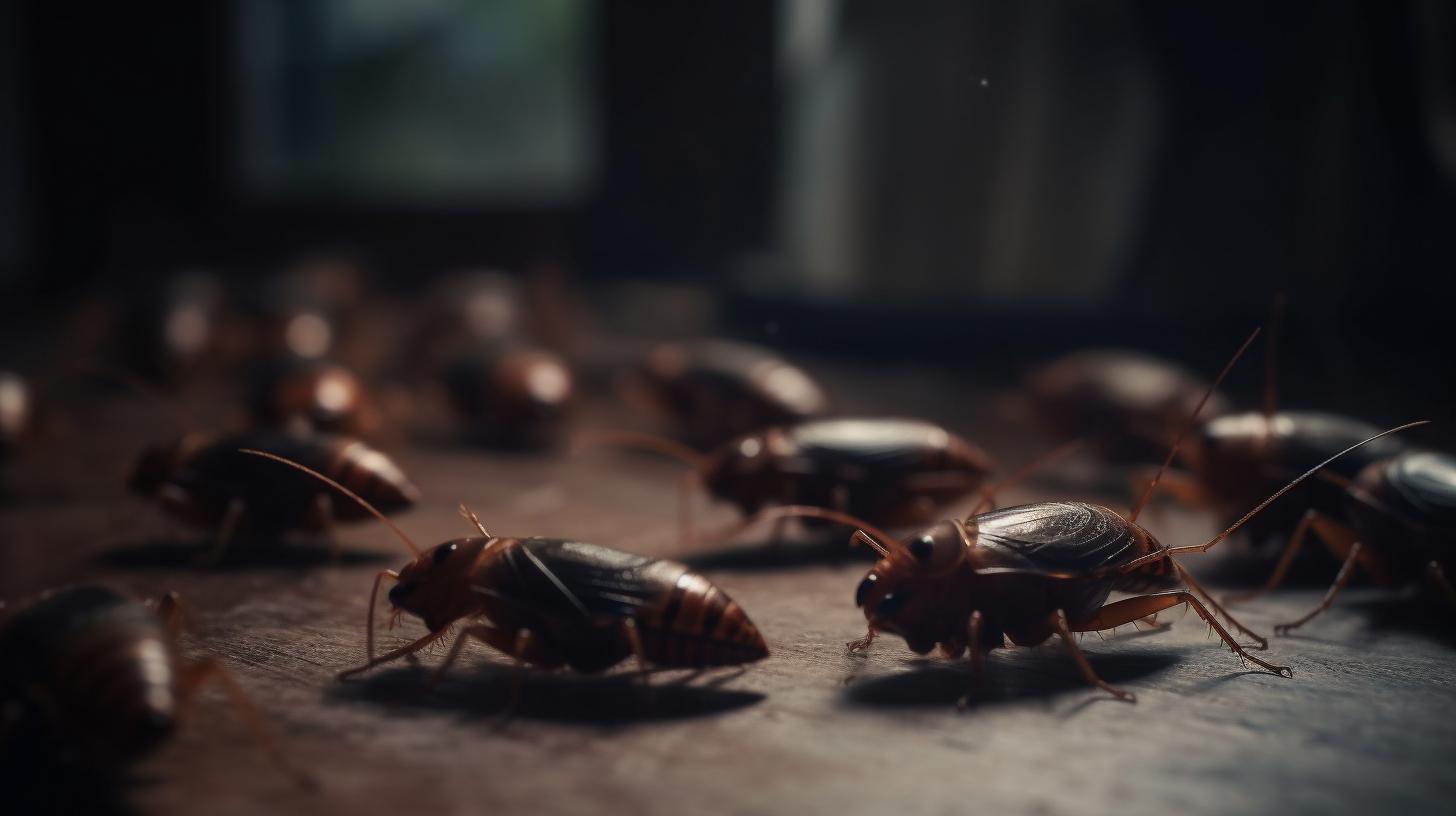
When a termite colony takes over a house or business, you need to call a professional termite colony removal in North Shore to get rid of them. These pests can be difficult to control and can grow to be unmanageable if not dealt with early. Fortunately, there are ways to get rid of them, including professional termite inspection and removal in North Shore. You can also find out how to prevent them from returning in the future by following the tips in this article.
First, you should get a thorough inspection of your property. While termite inspections are not required by law, they are highly recommended to prevent further damage. A thorough inspection can detect any signs of termite activity, such as sagging floors and pinpoint holes in the drywall. Damaged wood trim can also be a sign of termite infestation. Once you know what termite colonies look like, you can get rid of them by hiring a professional to remove them.
While termites are tiny creatures, they can cause a considerable amount of damage to a building. In fact, serious termite infestations can render your property unusable. To avoid these problems, contact a termite colony removal service in North Shore to arrange a thorough inspection and termite treatment. A professional will perform a thorough termite inspection, including photos and a termite colony life cycle. This will help you decide when to call a professional to eradicate termite colonies.
A thorough inspection will detect the source of the infestation and provide you with a cost-effective termite pest control treatment plan. It will take anywhere from three to eight years before the termites will cause significant damage. However, if you are not vigilant in maintaining your property, you may still be able to spot them before they get out of hand. If you're looking for termite colony removal in North Shore, you'll find specialized services that work with exterminators and other professionals to protect your property from future infestations.
While you're waiting for a professional to come out and treat your home for termites, you can use an insecticide to kill them before they can come back. Spraying these chemicals on the outside of your home will only kill the swarmers and wood that you can reach. However, if your termites have a colony in your house, you must treat the wood where they've already settled in, since they'll be able to come back and invade it again. A professional will use a chemical to treat your home.
Subterranean termites are also called swarmers. These bugs are attracted to light, and are not found indoors for very long. Although swarmers look like flying ants, they're distinct from them in other ways. While swarmers look like ants, they have straight bodies and two equally-sized wings. In addition, flying ants also have a pinched waist. In North Shore, you can also look for mud tubes, which are like thin veins along the side of your home and tend to run toward exposed wood.
Termites are often called white ants. In addition to destroying thousands of dollars in property each year, they can also change the aesthetic appearance of your home. When they live inside, they can gnaw on wooden structures for years on end. If you want to avoid a termite colony, you should call a professional termite control service in North Shore from North Shore Termite Pest Control at www.northshoretermitepestcontrol.com.au. The most effective termite colony removal in North Shore comes with the use of a trained technician.
Termites are structural pests, which means they can ruin whole buildings if left untreated. In addition to eating timber, they can also destroy decks, lawn furniture, and cabinetry. One pound of two-by-four-inch wood can be eaten in one year by termites, and in some cases, the entire 6 inches of a 2x4 is eaten. They are also capable of tunneling through other materials, including concrete crevasses.
Termite colonies have three different types, called castes. They differ in appearance and duties. Worker termites collect food and build nests. Usually, a colony with a year-old can have 75 to 100 individuals. Eventually, the colony can grow to hundreds of thousands of termites, posing a huge threat to structures. They will often spread from colony to colony over a year or more.